 Làng nghề
 Di tích văn hóa & lịch sử






♦ Prof. Dr. People’s Teacher Nguyen Quang Ngoc
(continued from part 2 and the end)
An overview
Hanoi’s territory: The cradle and the center of Vietnam’s great civilizational eras
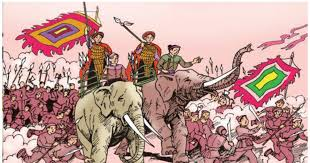
thuongHanoi resides in the heart of the Red River Delta, where people soon gathered and densely settled, and where the entire evolutionary process of the ancient Vietnamese community is witnessed with the emergence of the Red River civilization. Even though Cổ Loa was only the capital of the Âu Lạc country for 30 years, this citadel was truly a shining representative of the first era of national construction, establishing the initial yet firm foundations of national consciousness, making the primary and most fundamental resource for Hanoi to emerge as a pioneer and play a decisive role in the struggle against Northern domination and assimilation, and reclaiming national independence.
thuongThe Trưng sisters’ uprising restored the country and established the national capital in Mê Linh along the Red River’s bank. The Lý Bí’s uprising, which erupted in the Mê Linh capital, led to the emergence of the Vạn Xuân country, and the Vạn Xuân capital at the mouth of the Tô Lịch river and the Ô Diên citadel at the mouth of the former Nhuệ river. It clearly reaffirmed the intention to relocate the capital to the South, and following the Red River axis in the central area of Hanoi nowadays. The political and administrative centers of the Tùy and Đường dynasties subsequently relocated to the area of the former Vạn Xuân citadel. As a result, Tống Bình and Đại La became the focal points of struggles for autonomy, marking a new stage of maturity for national forces, providing sufficient forces to permanently end a millennium of Northern domination, ushering in an era of long-term independence and the flourishing development of the Đại Việt nation.
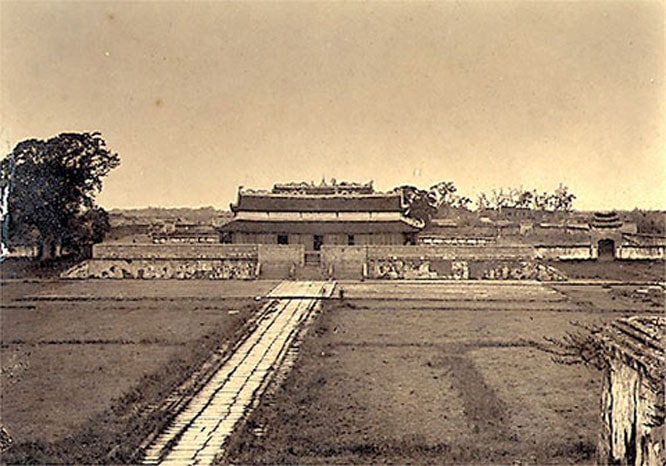
thuongLý Thái Tổ decided to relocate the capital from Hoa Lư to Thăng Long in the name of a return to Đại La, but in fact, the continuity of a long-standing national tradition from Cổ Loa capital to Vạn Xuân capital. Thăng Long - Đông Đô - Đông Kinh, for nearly eight consecutive centuries, served as the greatest and most representative center of politics, economy, and culture of the Đại Việt civilization era, which is radiant in terms of governance and military feats. This period marked a glorious advancement in national history.
thuongThe August Revolution is the greatest in the entire historical process of Vietnam, establishing Hanoi as the capital of both the Democratic Republic of Vietnam and the Socialist Republic of Vietnam. Hanoi has become the political and administrative nerve center of Vietnam, a great center of culture, science, education, economy, and global trade within the Hồ Chí Minh era - The era of independence and freedom progressing toward modern civilization.
thuongFrom the first era of nation-building to today, the capitals of Cổ Loa, Mê Linh, Vạn Xuân, Ô Diên, Tống Bình, Đại La, Thăng Long, Đông Đô, Đông Kinh, Hanoi have almost continuously succeeded one another on this land. This has positioned Hanoi as the biggest and strongest center for convergence, crystallization, exchange, and radiation of the nation’s historical and cultural values. Hanoi is truly the bones of the entire national history, the center and the pinnacle of Vietnam's three great civilizational eras. Hanoi holds the greatest and most special place in the entire national historical process that none of the other capitals in Vietnam can compare with.
Red River: The core element determining the formation and transformation of the urban capital in Hanoi from the past till now
thuongWorld history has recognized that the formation and flourishing development of many human civilizations are linked to great rivers. The Red River civilization and the urban areas of Cổ Loa, Vạn Xuân, Thăng Long, and Hanoi also follow this common pattern.
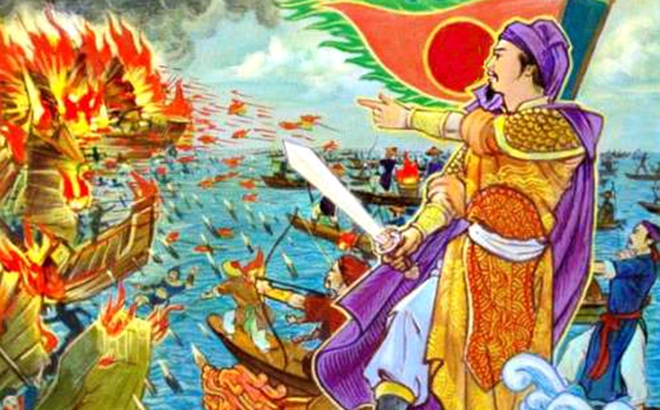
thuongFrom the day the Red River Delta was established, ancient Vietnamese mostly moved downstream to explore and exploit the land. They learned to “live with floods” and established a wet-rice agricultural civilization. The Red River is a fundamental condition and cultural creativity of Hanoians. From urban planning to street architecture, craft villages, craft streets, folk festivals, royal ceremonies, to the heroic feats of the resistance war against invaders at Đông Bộ Đầu, in Chương Dương, Tây Kết, Hàm Tử, etc. Everything reflects the presence or the embodiment of the sacred Mother River. That is the most distinctive characteristic and identity of the traditional urban culture of Thăng Long - Hanoi.
thuongThe Red River always maintained a central and decisive role in the entire historical and cultural evolution of the traditional capitals and urban centers in Hanoi. Since the late 19th century, the Red River and its tributaries have received little attention, gradually becoming unfamiliar and even seen as a threat to the lives of the capital's inhabitants. It was not until the early 21st century that the true function of the river was restored, reaffirming its position as the main development axis of the capital city.
thuongHanoi has returned to its natural rhythm and profound traditions, aligning with the general development tendency of the nation, the region, and the era. Surpassing thousands of years in history, the Red River has always occupied a central position in governing every activity of the community and the entire process of formation and transformation within the capital’s historical and cultural space. Leaning against the mountains, looking toward the river, and facing the East Sea is the foundational model, the law of transformation, and the developmental orientation for Hanoi in the past, in the present, and for the future.
Hanoi capital: A space for convergence, crystallization, and radiation of the nation's most distinctive and representative cultural values
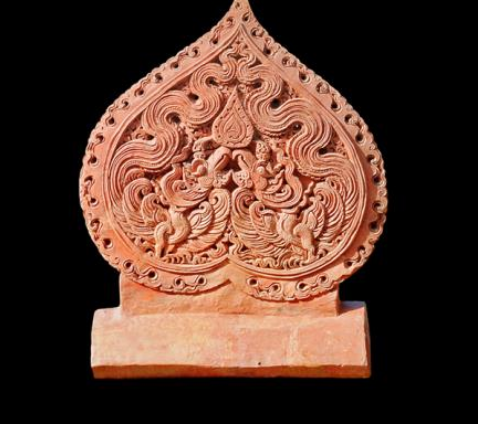
thuongHanoi is the most long-standing and concentrated historical and cultural space of the entire national historical process. Every remarkable event in history has been launched here or left powerful effects on this city. Throughout its long history, since the appearance of humankind in the Hanoi region, especially since An Dương Vương built the Cổ Loa citadel, Lý Nam Đế established the capital of Vạn Xuân, and Lý Thái Tổ founded Thăng Long, Hanoi has continuously been the nerve center of the country. This has resulted in the creation of an incredibly rich and diverse system of cultural heritage, with the convergence, refinement, and quintessential values of the nation's history and culture. Hanoi's cultural heritage is highly concentrated in the capital, urban, and metropolitan areas, stretching along both banks of the Red River, reflecting the characteristics and cultural identity of a riverine civilization rooted in the Red River civilization and maintained throughout history. Throughout Vietnam, no other place can preserve as much cultural heritage as Hanoi. This is an exceptionally valuable resource, a leading asset for Hanoi to utilize in constructing and developing the capital city sustainably.

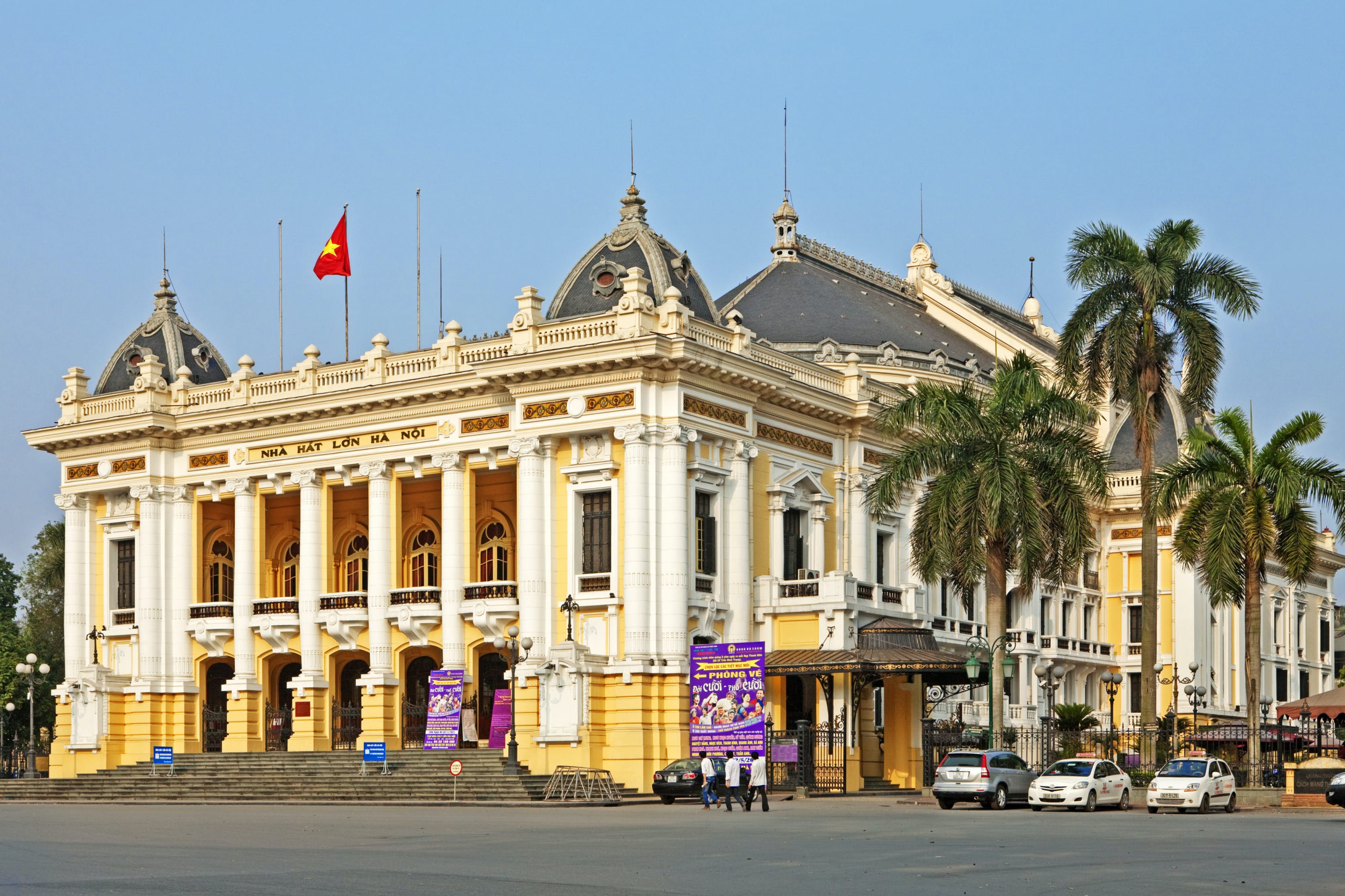
Hanoi Opera House
Hanoians - The crystallization of national culture and the unique qualities of the capital, the greatest and most decisive resource for Hanoi to lead the country into the new era
thuongHanoi is a land of convergence - a place where waters, people, talents, and resources gather. Alongside the indigenous inhabitants present since the dawn of the nation, waves of people from all directions and exceptional talents from across the land have flocked here. Most of the nation’s finest values and the essence of its heritage have converged in this cradle, only to radiate outward from here. Wise emperors, genius generals, and eminent figures, as well as ordinary citizens - even if not born here - have chosen this land as the place to build their careers and dedicate their lives.
thuongThe creative labor achievements of generations of Hanoians, which act as a convergence and crystallization of national historical and cultural values, are embodied in the names of national heroes, cultural figures, and talented individuals across all fields. These contributions have intertwined to define the distinctive character and good traditions of Hanoians. It is the spirit of patriotism and self-reliance; a tradition of solidarity combined with humanity, harmony, and tolerance; a legacy of creative labor; a tradition of studiousness and a deep respect for teachers and morals; and the tradition of an elegant, civilized lifestyle in both daily life and social etiquette, etc.
thuongHuman resources is the greatest source, the primary advantage that holds a decisive role in the future development of Hanoi. Therefore, utilizing the human factor, constructing the image of Hanoians as elegant, civilized, and developed comprehensively, while intertwined harmoniously with traditional and modern values, is the key to success for building a Cultural - Civilized - Modern capital, a global city, and makes Hanoi the model example and leading the country in the new era./.