 Làng nghề
 Di tích văn hóa & lịch sử






♦ Prof. PhD, People’s Teacher Nguyen Quang Ngoc
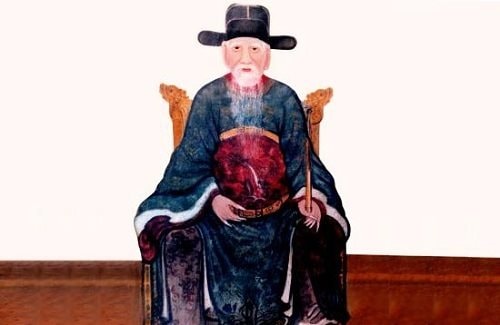
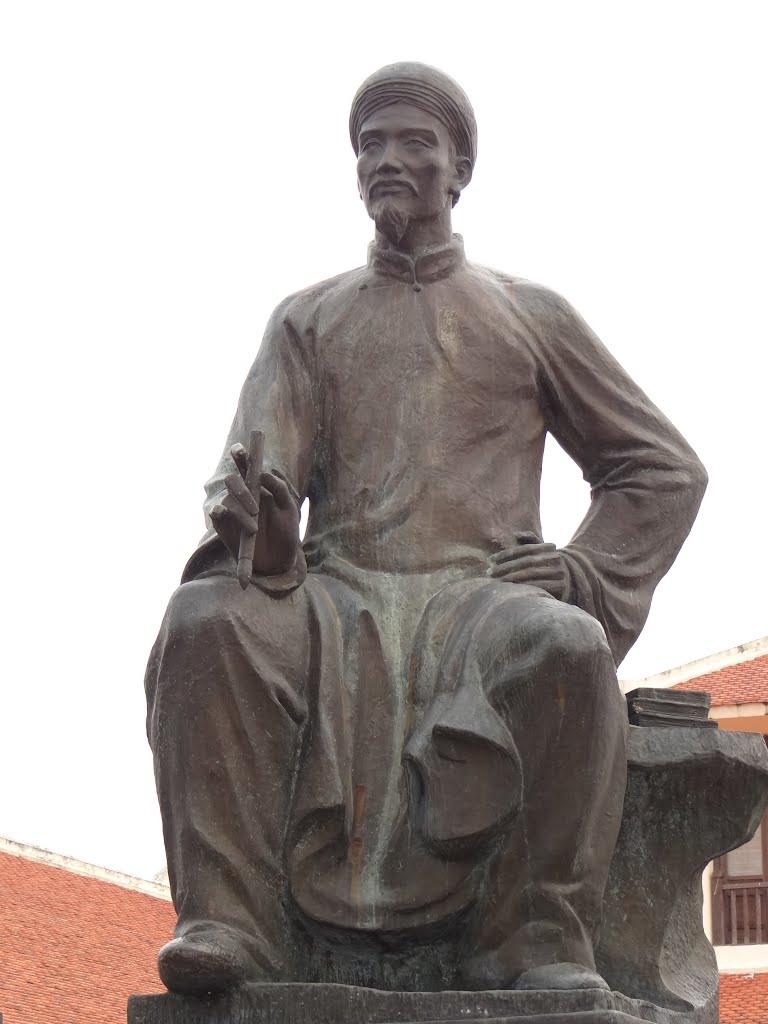
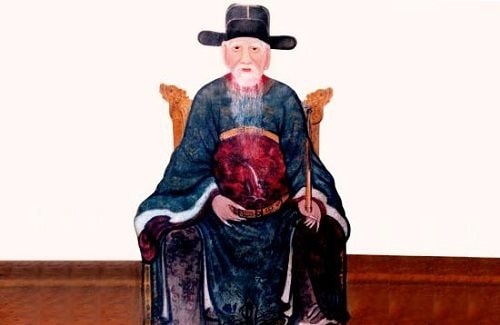
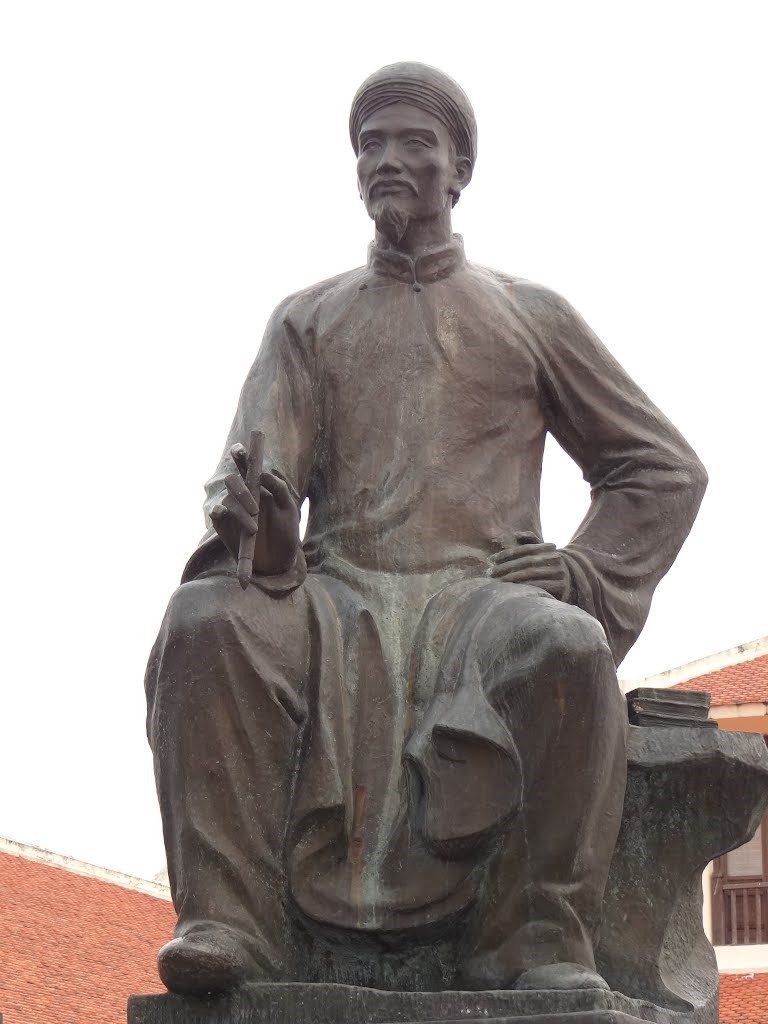
thuonNgo Quyen was born on the twelfth day of the third lunar month in the year Mau Ngo (April 6, 898) in Duong Lam Village (now Son Tay Ward, Hanoi City), into a family described as one in which “generation after generation belonged to the aristocracy,” in a rural community rich in traditions of patriotism and resistance against northern invaders. Growing up at a time when the Khuc family was rising strongly to build an autonomous government, immersed in a new national atmosphere, and continuing the aspirations of his forebears, Ngo Quyen mobilized and united local forces and gradually became a powerful leader in his native Duong Lam area [1].
In the year Quy Mui (923), Khuc Thua My was defeated, and the Southern Han reimposed its rule at Dai La Citadel. Duong Dinh Nghe established Ai Chau (present-day Thanh Hoa) as a base to resist the Southern Han. Ngo Quyen joined Duong Dinh Nghe and became one of his most trusted generals.
In the year Tan Mao (931), Duong Dinh Nghe appointed Ngo Quyen as vanguard general, leading troops to Giao Chau to expel the Southern Han forces and restore autonomy. After driving out the invaders, Duong Dinh Nghe assumed power but continued to use the title of Military Governor in order to maintain peaceful relations with the northern feudal states. He established his headquarters at Dai La Citadel and assigned loyal generals to control key regions. Ngo Quyen was entrusted with governing Ai Chau, his homeland. These years of service under the autonomous Duong administration provided Ngo Quyen with opportunities to demonstrate his talents, emerging as an outstanding general admired by the people and respected by the troops.
In the year Dinh Dau (937), at Dai La Citadel, Duong Dinh Nghe was assassinated by his subordinate Kieu Cong Tien, who sought to seize the position of Military Governor. In late October of the year Mau Tuat (938), recognizing the imminent threat of invasion by the Southern Han, Ngo Quyen led his forces northward from Ai Chau to eliminate Kieu Cong Tien. Kieu Cong Tien sent envoys to seek assistance from the Southern Han. The nation’s newly restored independence now faced severe danger from both internal betrayal and external aggression. The country entered another extremely arduous and decisive trial. In response to the demands of history, Ngo Quyen, as the legitimate representative of the nation, became the focal point uniting all resistance forces and concentrating the collective strength of the people. He led the main army to the Bach Dang estuary to confront the Southern Han forces. The battle unfolded and concluded within a single tidal cycle, meaning within one day. The invading army, with its large fleet of warships, had barely entered the nation’s riverine gateway before being completely annihilated.
General Vo Nguyen Giap, writing under the pen name Hong Nam, assessed: “The Bach Dang victory at the end of 938 was recorded in history as a brilliant and immortal military achievement, marking a great historical turning point, erecting a major milestone that completely ended more than a thousand years of domination by Chinese feudal dynasties, and opening a new era of long-term independence and vigorous national development.” [2].
The Bach Dang victory on December 7 of the year Mau Tuat (December 31, 938) was a lightning-fast battle of exceptional effectiveness, ranking among the greatest anti-invasion victories in national history. It permanently ended the threat of enslavement and assimilation imposed by northern aggressors for over a millennium, ushering in an era of enduring independence and comprehensive national revival. Following the victory, Ngo Quyen led his army back to establish the state, proclaimed himself king, and set the capital at Loa Citadel (Co Loa, Dong Anh, Hanoi). He severed all relations of dependency on foreign powers and built a centralized monarchical government, founding a truly independent kingdom.
In the thirteenth century, Le Van Huu, a pioneering historian of Dai Viet historiography during the Tran Dynasty and later venerated as the progenitor of Vietnamese historiography, affirmed: “Former King Ngo was able to use the newly assembled forces of our Viet nation to crush hundreds of thousands of troops led by Liu Hongcao, establish the state and proclaim himself king, making the people of the North no longer dare to invade again. It can be said that with a single righteous outburst he brought peace to the people, possessing both brilliant strategy and outstanding military skill. Although he only proclaimed himself king and did not assume the imperial title or change the reign era, the legitimate lineage of our Viet state was essentially restored.”[4].
In the fifteenth century, Ngo Si Lien asserted: “Former King Ngo rose not only with the merit of military victory; in the establishment of officials and the regulation of court rituals and official attire, one can clearly see the stature and scale of an imperial ruler.”[5]. In Dai Viet su ky toan thu, the official national chronicle of the Le Dynasty compiled under Ngo Si Lien’s leadership, Ngo Quyen was ranked at the highest position among the kings of Dai Viet: “The king was skilled in strategy and warfare, accomplished the great work of national restoration, and stood foremost among all kings”[6].
In the eighteenth century, Ngo Thi Si succinctly summarized the life and career of Ngo Quyen in a single, precise statement: “The king eliminated internal enemies to avenge his lord, expelled foreign invaders to save the nation, built the state, and restored national legitimacy; his achievements were truly great”[7].
On the eighteenth day of the first lunar month of the year Giap Thin (February 14, 944) [8], Ngo Quyen passed away. Although his undertaking of founding the state and proclaiming kingship lasted less than six years and remained unfinished in many respects, the Ngo Dynasty can nevertheless be recognized, in essence, as “an independent state of a fully sovereign nation, both in ideological consciousness and in practical governance.”[9].
The outstanding patriotic scholar of the early twentieth century, Phan Boi Chau, was entirely justified in honoring Ngo Quyen as the “Progenitor of National Restoration,” ranking him only after the “Founding Ancestor of the Nation, the Hung Kings.” As Phan Boi Chau wrote, “To expel foreign invaders and restore severed national authority, no one surpassed King Ngo Quyen.”[10].
In 1941, upon returning to Cao Bang and writing History of Our Nation to prepare forces for the August Revolution, President Ho Chi Minh praised the hero from Duong Lam, Ngo Quyen, for having “rescued the people from a thousand years of darkness.” From the broader historical perspective of the Ho Chi Minh era, General Vo Nguyen Giap repeatedly affirmed that the Bach Dang victory of 938 and Ngo Quyen’s establishment of the state and proclamation of kingship marked a great historical turning point for the Vietnamese nation.

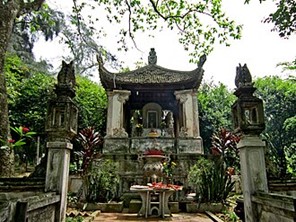
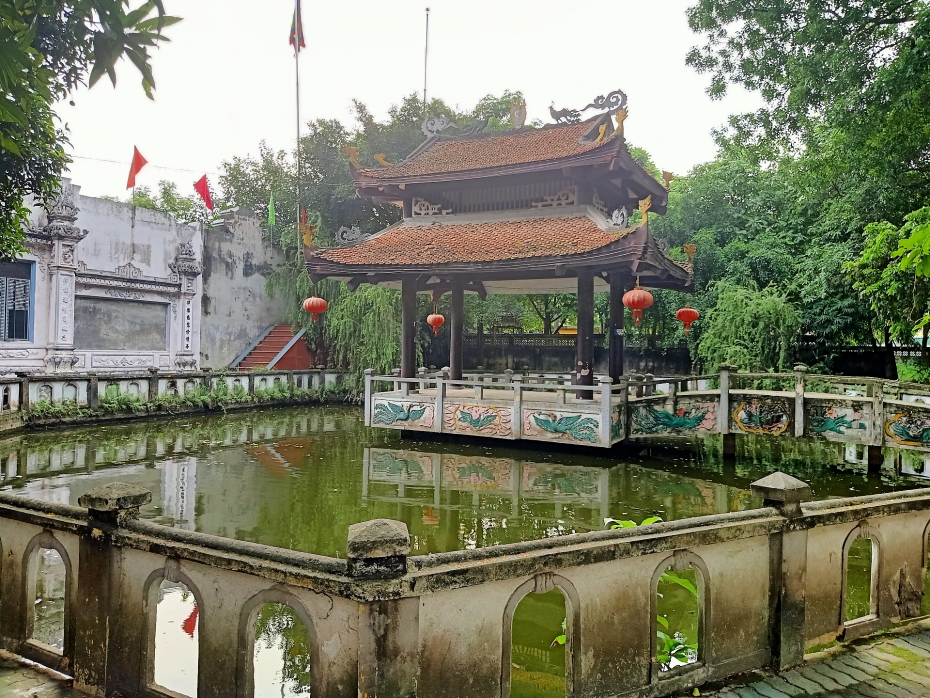
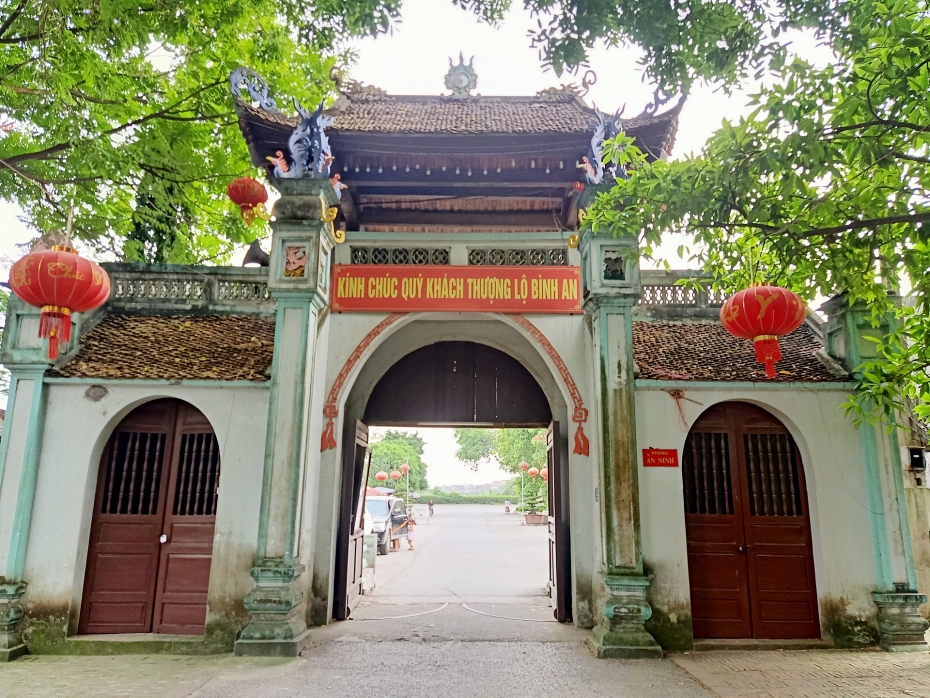
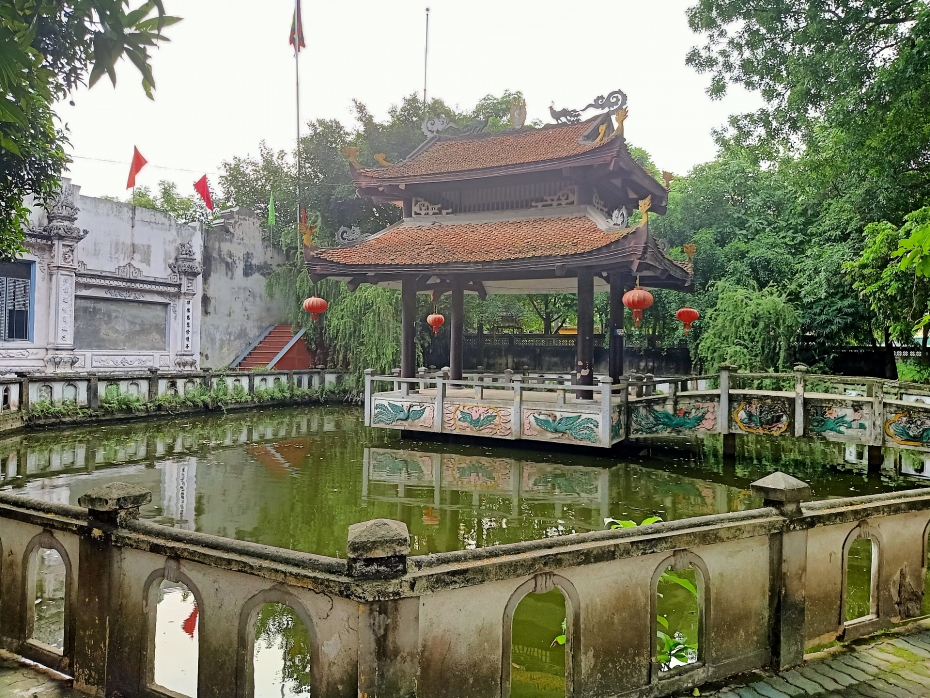
Ngo Quyen Mausoleum in Duong Lam (Son Tay, Hanoi)
thuongThe event of Ngo Quyen founding the state, proclaiming kingship, and establishing the capital at Co Loa was the crystallization of a thousand years of resistance against northern domination by the entire nation. It represented the continuation and elevation of the decisive and triumphant finale at Bach Dang, marking a long and fundamental leap forward in Vietnamese history. Ngo Quyen has been eternally honored as a great National Liberation Hero and the Progenitor of National Restoration of Vietnam. From Le Van Huu (late thirteenth–early fourteenth century) to Ngo Si Lien (fifteenth century), Ngo Thi Si (eighteenth century), Phan Boi Chau, Ho Chi Minh, Vo Nguyen Giap, Phan Huy Le (twentieth century), and the vast majority of historians in Vietnam and around the world today, there is a shared consensus on this historical assessment./.
------------------------------------------------------
[1] Some authors suggested Duong Lam might be in Ha Tinh or Thanh Hoa. However, current research provides sufficient scientific basis to confirm Duong Lam (Son Tay, Hanoi) as Ngo Quyen's birthplace and homeland.
[2] Hong Nam, Hong Linh (Eds.) (1984), Glorious Pages of Vietnamese History against Chinese Feudal Invasions, Social Sciences Publishing House, Hanoi, p. 204. [3] Ancient records agree on the December 938 date. Specifically, the Ngoc Pha (Jade Genealogy) of Hoang Pha (Thuy Nguyen, Hai Phong) specifies the 7th day of the 12th lunar month (Dec 31, 938).
[4] Dai Viet Su Ky Toan Thu (1993), Vol 1, pp. 204-205.
[5] Dai Viet Su Ky Toan Thu (1993), Vol 1, p. 205.
[6] Dai Viet Su Ky Toan Thu (1993), Vol 1, p. 204. Original text: “Vuong thien muu thien chien, tai tao chi cong di thanh, vi chu vuong chi quan”.
[7] Dai Viet Su Ky Toan Thu (1997), Social Sciences Publishing House, Hanoi, p. 141.
[8] Complete Annals only notes he died in 944. The Gia Viên Temple Records specify the 18th day of the 1st lunar month (Feb 14, 944).
[9] Phan Huy Le (2011), Returning to the Roots, The Gioi Publishing House, p. 700. [10] Phan Boi Chau (1962), Investigation of Vietnamese National History, Education Publishing House, Hanoi, pp. 21-25.
[10] Phan Boi Chau (1962), A Study of Vietnam’s National History, Education Publishing House, Hanoi, pp. 21–25.