 Làng nghề
 Di tích văn hóa & lịch sử






♦ Dr. Le Thi Thu Huong
thuongFaced with the Ming dynasty’s invasion plot, the Hồ dynasty attempted to organize resistance; however, its misguided strategy, combined with the fact that the dynasty was widely regarded by the populace as having risen through usurpation, meant that popular support was weak. As a result, the Hồ resistance collapsed. From 1407 to 1427, Ming forces invaded and ruled Vietnam, implementing brutal repressive policies that fueled deep popular resentment. During this period, the citadel of Đông Đô was renamed Đông Quan by the Ming forces.
thuongAs soon as the Ming army occupied Đông Quan Citadel, numerous uprisings by the people erupted both within the citadel and in its surrounding areas. These movements fueled and kindled the patriotic spirit of the people nationwide in the struggle for national independence, simultaneously laying the groundwork and providing strategic footholds for later uprisings that would advance toward Đông Đô.
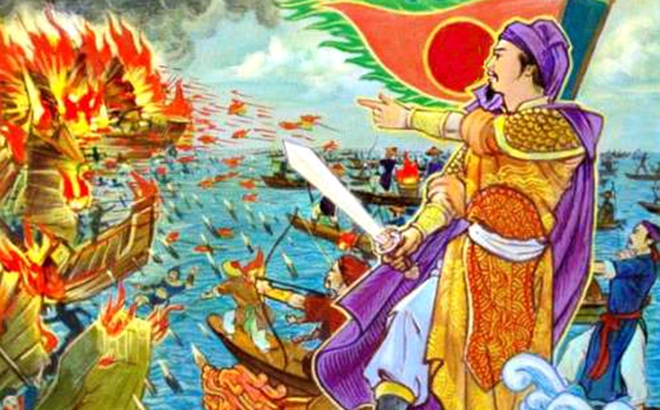
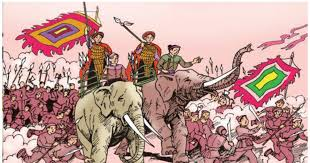
thuongIn 1418, Lê Lợi raised the banner of revolt in western Thanh Hóa Province. Heroes from across the land gathered at Lam Sơn, with the unwavering will to sacrifice themselves to save the nation and its people. Among those who joined Lê Lợi were sons of Thăng Long - Đông Đô, notably Nguyễn Trãi and Phạm Văn Xảo. Nguyễn Trãi later became Lê Lợi’s closest advisor and a principal leader of the Lam Sơn Uprising, while Phạm Văn Xảo distinguished himself as a commanding general, playing decisive roles in the strategic battles of Tốt Động - Chúc Động (1426) and Chi Lăng - Xương Giang (1427).
thuongFollowing the victory of the insurgent forces, to save face for the “Celestial Empire” (the Ming Empire) and formally ratify the agreed - upon terms, a formal surrender ceremony was organized in the form of a Hội thề (Oath-taking ceremony), held south of the Đông Quan Citadel. This ceremony was unprecedented in Vietnam’s history of resistance against foreign domination. For the first time, Ming generals and troops were compelled to surrender through a solemn oath - taking ceremony on the land of ancient Hanoi.
thuongIn 1428, Lê Lợi ascended the throne, founding the Lê dynasty under the reign title Lê Thái Tổ. The capital was restored to Thăng Long, also known as Đông Kinh. Under the reigns of Lê Thái Tổ, Lê Thái Tông, and Lê Nhân Tông, Thăng Long achieved notable successes in consolidating royal authority and rebuilding the country. Nonetheless, complex internal court conflicts persisted, marked by factional struggles and the elimination of meritorious officials in contests for power.
thuongUnder the reign of Emperor Lê Thánh Tông (1460 - 1497), Thăng Long achieved significant accomplishments in various fields. The king implemented comprehensive administrative reforms, promulgated the Hồng Đức Legal Code, and defined a national map comprising prefectures (phủ), districts (châu, huyện), and communes (xã) under 12 administrative units or provinces (đạo thừa tuyên), later expanded to 13 with the addition of Quảng Nam in 1471. In the early Lê period, the capital region was known as Trung Đô Prefecture; under Lê Thánh Tông, it was renamed Phụng Thiên Prefecture, comprising two districts: Quảng Đức and Vĩnh Xương (later renamed Vĩnh Thuận and Thọ Xương, respectively). The inhabitants of these two districts included farmers, artisans, and merchants residing in villages and guild wards (phường). Each district had 18 wards, marking the origin of the famed 36 wards of Thăng Long - Hanoi. The city’s streets were lined with bustling markets and thriving commercial activity. The head of Phụng Thiên Prefecture held the title of Phủ Doãn. During Lê Thánh Tông’s reign, among 13 individuals who served as Phủ Doãn of Phụng Thiên, 12 were doctorate laureates (tiến sĩ), many of whom were talented and reputable figures admired by the people.
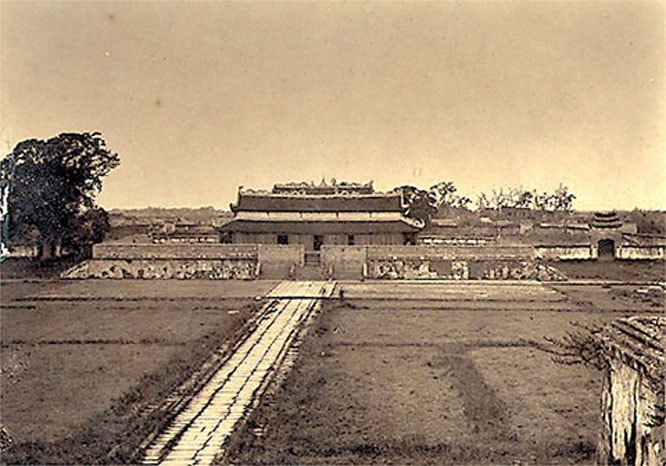
thuongUnder the Early Lê dynasty (Lê sơ), the Imperial Citadel of Thăng Long underwent two major expansions during the reigns of Lê Thánh Tông and Lê Tương Dực. Lê Thánh Tông also introduced the Hồng Đức Legal Code and the Hồng Đức Map, established a disciplined standing army and institutionalized military training within the capital (the Giảng Võ area). Under the Lê Dynasty, Confucian education was highly valued, especially during Lê Thánh Tông’s reign, where examinations became the “straight path to officialdom.” Alongside recommendations, the method of selecting officials through examinations was clearly emphasized in the Early Lê dynasty. In 1484, Lê Thánh Tông ordered the erection of stone steles inscribed with the names of doctors, placed in front of the Thái Học House (House of Ceremonies), to honor those starting from the first metropolitan examination (khoa thi Hội) of the Early Lê dynasty in 1442. The Early Lê dynasty used the honor of the “golden list and stone stele” to encourage scholars and elevate the imperial examination system.
thuongBy the early 16th century, the Lê dynasty began to decline, revealing serious weaknesses in governance. In 1527, Mạc Đăng Dung seized power and established the Mạc dynasty (1527 - 1592), with Thăng Long retaining its status as the capital. After the Lê royal family fled to Thanh Hóa and received support from the Nguyễn clan (Nguyễn Kim) and the Trịnh clan (Trịnh Kiểm), the Lê forces eventually recaptured Thăng Long, driving the Mạc rulers into Cao Bằng. By 1592, the Lê dynasty had regained control of the capital and resumed power.
thuongIn the 17th century, Thăng Long developed into a thriving urban center, rich in commodities and known for its vibrant commercial life. Foreign merchants came to settle and trade in the famous bustling urban area of “Kẻ Chợ”.
thuongIn the 18th century, Thăng Long witnessed the decline of the feudal system, the arrogance of the Trịnh Lords, and suffered from the turmoil of arrogant soldiers (kiêu binh), adversely affecting the lives of the people.
thuongIn 1771, the Tây Sơn uprising erupted, overthrowing the Nguyễn lords in the southern regions (Đàng Trong). By 1786, Tây Sơn forces marched to the North (Đàng Ngoài), eliminated the Trịnh regime, and restored power to the Lê emperor. Emperor Lê Hiển Tông gave his beloved daughter, Princess Ngọc Hân, in marriage to Nguyễn Huệ.
thuongUpon taking power, Lê Chiêu Thống sought assistance from the Qing dynasty, 290,000 Qing troops invaded Vietnam, plunging the nation into grave peril. In 1788, Nguyễn Huệ proclaimed himself emperor under the reign title Quang Trung and led his troops north. Thăng Long became the stage for the resounding victory of Ngọc Hồi - Đống Đa, where the Qing invasion force was decisively defeated. The Tây Sơn dynasty established its capital at Phú Xuân (Huế), and Thăng Long was no longer the national capital but served as the headquarters of the Northern Citadel (Bắc Thành).

Cầu Đông Street in the late 19th century (archival photo)
thuongBetween 1400 and 1802, Thăng Long experienced major upheavals closely tied to the rise and fall of Vietnam’s feudal dynasties. Following the collapse of the Hồ dynasty, the country fell under the brutal domination of the Ming (1407 - 1427), which ignited struggles for national liberation. The Lam Sơn Uprising, led by Lê Lợi, achieved victory, ushering in the Lê Dynasty and restoring Thăng Long under the name Đông Kinh. During the reign of Lê Thánh Tông, Thăng Long flourished in politics, economy, culture, education, and urban planning. From the 16th century, the weakening of the Lê dynasty gave way to successive control by the Mạc dynasty and later the Lê - Trịnh regime. In the 17th and 18th centuries, Thăng Long, the former bustling “Kẻ Chợ”, remained a vibrant commercial metropolis, yet people’s lives were shaken by feudal crises. By the late 18th century, the Tây Sơn movement rose to prominence, achieving the celebrated victory at Ngọc Hồi - Đống Đa. Although Thăng Long no longer served as the national capital, it remained the paramount, irreplaceable center of economy and culture.