 Làng nghề
 Di tích văn hóa & lịch sử






♦ Prof. Dr. People’s Teacher Nguyen Quang Ngoc
Historical process
Cổ Loa - The heart of the Red River civilization, and the capital of the founding era of the nation
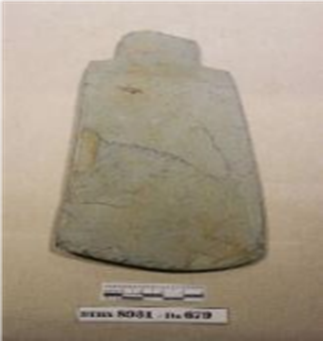
thuongThe current territory of Hanoi is the cradle of the Red River civilization, in which Cổ Loa serves as the nucleus. Here, the archeologists have found relics that confirm the continuous presence of humans from the Phùng Nguyên culture (4,000 years ago), through the Đồng Dậu (3,500 years ago), to Gò Mun (3,000 years ago) and Đông Sơn (2,800 years ago). Especially, archeologists even found an entire representative system of the Đông Sơn culture, which belongs to the Iron Age, including type I bronze drums, bronze plowshares, along with various production tools, household utensils, and weapons made of bronze and iron. These archaeological artifacts serve as evidence for a remarkable advancement in manufacturing technology, labor productivity, and the ability to conquer nature and protect the homeland. This is also a crucial foundation leading to the establishment of the Âu Lạc kingdom and settling the Cổ Loa citadel in 208 BC.

The map of Cổ Loa citadel
thuongCổ Loa citadel consists of 3 concentric walls and moats - the Inner, Middle, and Outer walls - with a total circumference of over 16 km. It is a large-scale citadel that takes advantage of the natural terrain, combining land and water features, making it convenient for both defense and attack. This is also the most ancient and special citadel in Southeast Asia, which reached a very high level of architectural and military art in comparison with other Eastern countries. Cổ Loa citadel serves as a benchmark reflecting the concentrated and multi-faceted development of the Âu Lạc kingdom under the governance of King An Dương Vương. It not only shows the creative labouring talent, the advancement in construction techniques, the military techniques, and the art of the ancient Vietnamese, but also indicates a new step of improvement of the Âu Lạc kingdom, of the social power, and social stratification. Cổ Loa citadel, which serves as the main political, military, economic, social, and cultural center of the Âu Lạc kingdom, is the pinnacle and a shining symbol of the Red River civilization. It has to be regarded as the most typical representative, not only for the capitals of the Van Lang - Au Lac kingdoms in the North, but also for all citadels and urban centers during the first nation-building era across the entire territory of Vietnam.
1.2. The predecessor citadels and urban centers of the Thang Long Capital
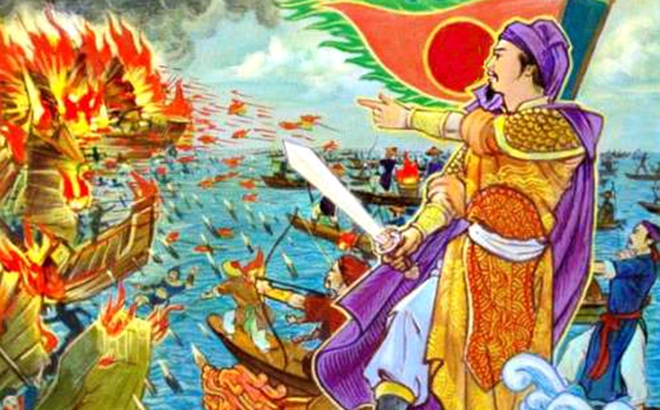
thuongFrom 179 BC, the Âu Lạc kingdom fell under Northern domination. Consequently, Co Loa and its surrounding areas became the center of struggles against enslavement and cultural assimilation. It was by no means a coincidence that the Tây Vu Vương uprising, which was the first major rebellion against the Hán dynasty's domination, broke out in the land of Cổ Loa. The Trưng sisters’ uprising was the first nationwide insurrection in Vietnamese history, which erupted at the Hát River estuary (Hát Môn commune), utilizing Mê Linh and Chu Diên districts on both sides of the Red River and Đáy River as its strategic base. This uprising rapidly achieved success on a national scale, ending the Northern domination for more than 200 years, and paving the way for a future with new development for the nation. At the height of their victory, the Trưng sisters decided to establish the nation, proclaim themselves Vương (the kings of a country), and build the Mê Linh capital right on the banks of the Red River (Mê Linh commune). The uprising of the Trưng sisters has become a unique heroic achievement in national history, as well as in humankind’s history. This is truly a pivotal milestone, a firm foundation, and an orientation for the entire process of development and transformation of the national history.

The Trưng sisters’ uprising (illustration)
thuongExactly 500 years later, Lý Bí, a native of Hoài Đức, continued to make the strategic base of the Hai Ba Trung uprising the central hub for gathering forces, launching the second nationwide uprising in national history. After achieving success on a national scale, in 544, Lý Bí decided to proclaim himself Đế (the king of a big country, often gaining respect from neighboring countries), established Vạn Xuân country, selecting the center of Hanoi’s old quarter as the site for the national capital. Despite being suppressed by the Lương army, Lý Nam Đế, Triệu Việt Vương, and Later Lý Nam Đế continued to utilize the Red River to maintain their military strength and launch counter - offensives, restoring the survival of the Vạn Xuân kingdom until the year of 602.
thuongThe administrative center of the Northern colonial government was initially located in Luy Lâu (Thuận Thành, Bắc Ninh), but after the Vạn Xuân country was defeated, the Tùy dynasty and later the Đường dynasty moved the administrative center to the Tống Bình district, which was the former capital area of the Vạn Xuân country. Tống Bình citadel, or later Đại La citadel, has become the focal point of struggles against the domination of the Đường dynasty: Lý Tự Tiên, Đinh Kiến (687), Mai Thúc Loan (713 - 722), Phùng Hưng (766 - 791), Dương Thanh (819 - 820)… In 905, seizing the opportunity presented by the risk of the collapse of the Đường’s central government, Khúc Thừa Dụ rose up to overthrow the Đường’s colonial administration. He proclaimed himself Tiết độ sứ (military governor), established his headquarters in Đại La citadel, and laid the foundations for national autonomy. In 931, Dương Đình Nghệ, after defeating the invasion attack of Southern Han, continued to establish and protect the country under the Khúc dynasty. Ngô Quyền, a resident of Đường Lâm village (Sơn Tây), joined Dương Đình Nghệ from an early age and successfully mobilized the collective strength of the people for a landmark confrontation that ended thousands of years of being invaded by the Northern army. He decided to proclaim himself Vương (the king of a country) and establish the country in Cổ Loa to reaffirm his determination to continue the legacy of the Hùng king - An Dương Vương, and to be honored as a great figure who restored the nation’s development.
(To be continued…)