 Làng nghề
 Di tích văn hóa & lịch sử






♦ M.A. Dang Thi Anh Tuyet
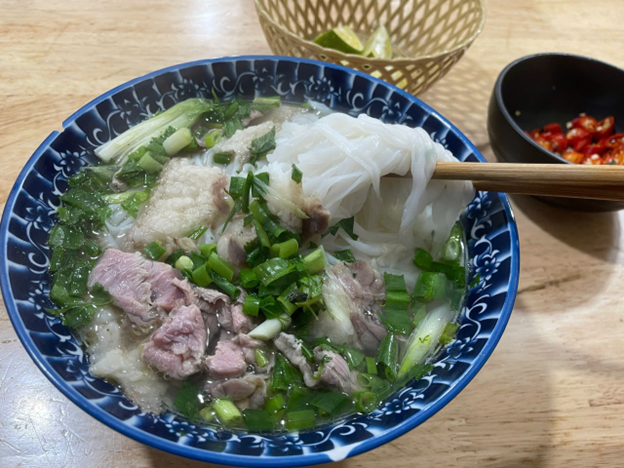
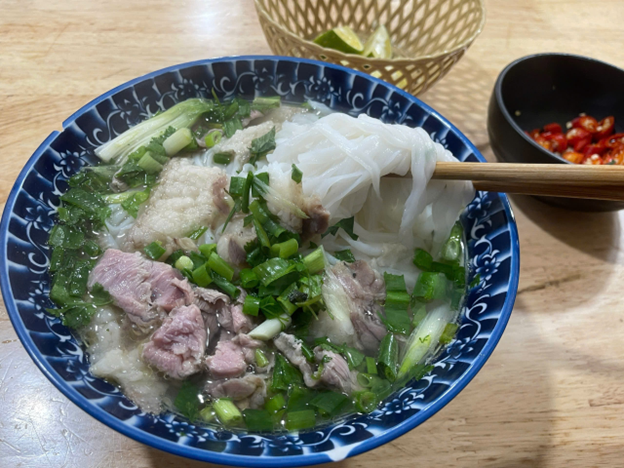
thuongIf pho is a light and refined breakfast dish, awakening Hanoians with the warm aroma of star anise and cinnamon, then bun cha is the “king” of lunch. It is a dish in which the dry midday heat of the capital blends with the fragrant smoke of grilled meat, spreading through alleys and street corners alike. No one knows exactly when bun cha was born; it is only known that it has long existed, deeply embedded in the memories of generations of Trang An people, becoming one of the most outstanding and alluring representatives of the thousand-year-old culinary culture of Hanoi.
thuongHanoi is famous for its “thirty-six streets,” and it seems that on almost every street one can find a bun cha stall. From air-conditioned restaurants to humble sidewalk vendors at street corners or under ancient shade trees, bun cha is everywhere. Yet, the true pleasure for Hanoians lies in enjoying bun cha on the sidewalk.

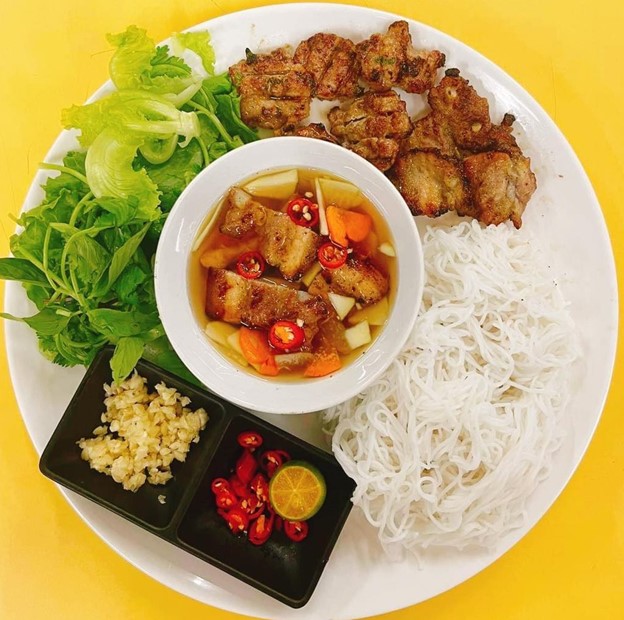
Some say bun cha is related to grilled pork noodle dishes of central or southern Vietnam, but in reality, Hanoi bun cha possesses an entirely different character. It does not mix everything into one large bowl. Instead, it is an elegant arrangement of separate components: a bowl of amber-colored dipping sauce holding grilled pork, a plate of pure white rice vermicelli, and a basket of fresh green herbs. This separation, followed by harmony, reflects a uniquely northern sense of refinement. As a line once praised: “For a thousand years, who could forget grilled pork and bun cha, a taste fit for the immortals?”
At first glance, bun cha seems simple: noodles, meat, fish sauce. Yet to create an authentic Hanoi serving, the cook must invest meticulous care and subtlety in every detail.
A bowl of bun cha always contains two types of grilled pork: minced pork patties and sliced pork. The sliced pork is made from well-balanced pork belly, cut into moderately thin slices and marinated with high-quality fish sauce, minced shallots, a touch of sugar, and caramelized sauce cooked to a deep amber color. The challenge lies in achieving perfect seasoning: flavorful but not salty. When grilled, the fat must turn clear and lightly crisp without being greasy, while the lean meat remains tender and sweet, never dry. The patties are made from finely chopped pork shoulder, not ground into a paste. Chopping preserves the natural texture and sweetness of the meat. The pork is mixed with finely diced fat, seasoned, and shaped into flat round patties.
The ultimate secret lies in the grilling technique. Authentic Hanoi bun cha must be grilled over charcoal. No microwave, no electric stove can replace it. The griller must be a true artist, constantly fanning the charcoal so it glows evenly without flaring up and burning the meat. As fat drips onto the coals, it sizzles, releasing an intoxicating aroma. Writer Thach Lam once described this scent as one that “could stir even the hearts of monks.”

thuIf grilled meat is the soul, then the dipping sauce is the heart of bun cha, the element that determines whether one stall surpasses another. Bun cha sauce is not pure fish sauce, but a carefully balanced blend of fish sauce, vinegar or lime juice, sugar, water, garlic, and chili. The finished sauce must be clear, amber-colored, and perfectly balanced in salty, sweet, sour, and spicy notes. Importantly, the sauce must be gently heated before the grilled meat is added.
thuFloating in the sauce are thin slices of green papaya and carved carrot, pickled until crisp. Their light sourness and crunch counterbalance the richness of the grilled pork, allowing diners to eat without fatigue.
thuThe vermicelli used for bun cha is typically fine, loosely arranged noodles, white and soft yet not mushy. The cool, delicate noodles serve as a neutral base that highlights the rich flavors of the meat and sauce. Accompanying them is an indispensable basket of fresh herbs: lettuce, perilla, Vietnamese balm, coriander, and huong lang basil. These aromatic tropical herbs not only enhance visual appeal but also elevate flavor and aid digestion.
thuEating bun cha also requires a certain skill. Hanoians never rush this dish.
thuWhen the serving arrives, steam still rises from the bowl of grilled meat. The diner picks up a small bundle of noodles, dips it fully into the sauce with meat and pickles, adds a few fresh herbs, and eats everything together. Instantly, the senses awaken: the savory sweetness of charred pork, the gentle sweet-and-sour balance of the sauce, the cool softness of the noodles, and the intense fragrance of perilla and basil. It is a burst of flavor, yet remarkably smooth and harmonious. Many diners also order fried crab spring rolls to accompany the meal. These square rolls, with crispy wrappers and rich crab filling, form a perfect pairing with bun cha, creating a truly indulgent feast.
thuBefore 2016, bun cha was already famous, but the moment when US President Barack Obama and renowned chef Anthony Bourdain sat down to enjoy bun cha at a small restaurant on Le Van Huu Street propelled the dish onto the global culinary map. The image of the world’s most powerful leader sitting on a simple plastic stool, holding a chilled Hanoi beer, skillfully eating bun cha became an enduring symbol of the openness, simplicity, and irresistible charm of Vietnamese cuisine. Since then, international visitors to Hanoi have eagerly sought to try the “presidential dish.”
thuYet for Hanoians, bun cha needs no such spotlight to shine. It has always been a star in the hearts of food lovers across centuries.
thuHanoi bun cha is not merely a dish; it is a cultural practice and a communal space. Under the midday summer sun, sitting in a small eatery, listening to the sizzle of fat on charcoal, inhaling the smoky scent that clings to hair and clothes, one feels a deeper affection for this land.
thuNo matter where life leads, Hanoians always carry a longing for that flavor: rustic yet refined, humble yet sophisticated. Bun cha has been, is, and will always remain an inseparable part of Hanoi’s identity and pride - a culinary heritage grilled over glowing charcoal and infused with the enduring love of Trang An people.
--------------------------------------------------
References
1. Vu Bang (1959). Mieng Ngon Ha Noi. Writers Association Publishing House.
2. Nguyen Thi Phuong Cham (2019). Sidewalk Culture in Contemporary Hanoi. Vietnam Journal of Social Sciences.
3. Song Thao (2022). Bun Cha Ha Noi. https://tranthinguyetmai.wordpress.com/2022/07/22/bun-cha-ha-noi/