 Làng nghề
 Di tích văn hóa & lịch sử






♦ M.A. Dang Thi Anh Tuyet
thuonWhen speaking of Hanoi, people do not only recall the ancient charm of the Old Quarter with its moss-covered rooftops or the slow, poetic pace of daily life, but also immediately think of West Lake, the largest natural lake in the capital. It is a place where natural beauty, historical depth, and the modern pulse of a constantly transforming city converge. West Lake is not merely a well-known scenic attraction, but an essential part of the soul of Hanoi, deeply connected to the spiritual life, cultural identity, and collective memory of generations of local residents.
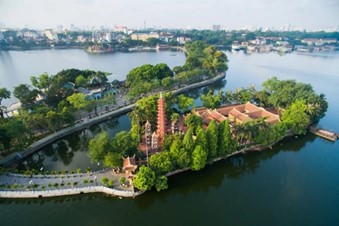
In terms of location and scale, West Lake is situated to the northwest of Hanoi city center. Following the administrative boundary adjustment in 2025, West Lake falls under the jurisdiction of Tay Ho Ward. Covering an area of approximately 500 hectares with a perimeter exceeding 17 kilometers, it is regarded as the largest natural lake within the inner city of Hanoi. Viewed from above, West Lake resembles a vast mirror reflecting the sky, greenery, and lakeside buildings, creating a rare sense of openness and freshness amid the dense urban landscape.
Beyond its scenic value, West Lake plays an important role in climate regulation and contributes significantly to improving the surrounding living environment. The cool breezes flowing from the lake into the city during hot summer days have earned it the nickname “the green lung” of Hanoi.

Along the flow of history, West Lake is closely associated with numerous legends and folk tales passed down through generations. According to folklore, the lake was once known as Dam Xac Cao, linked to the legend of Lac Long Quan defeating the nine-tailed fox demon to restore peace for the people. Over different dynastic periods, the lake bore various names such as Kim Nguu, Lang Bac, and Dam Dam, each reflecting a distinct historical era and the evolving perceptions of people toward this land.
Throughout the long history of Thang Long – Hanoi, West Lake has always held a special position. During the feudal era, the areas surrounding the lake were home to royal palaces, temples, pagodas, and residences of mandarins. Many architectural works and historical relics from that time remain today, contributing to the enduring cultural value of West Lake.
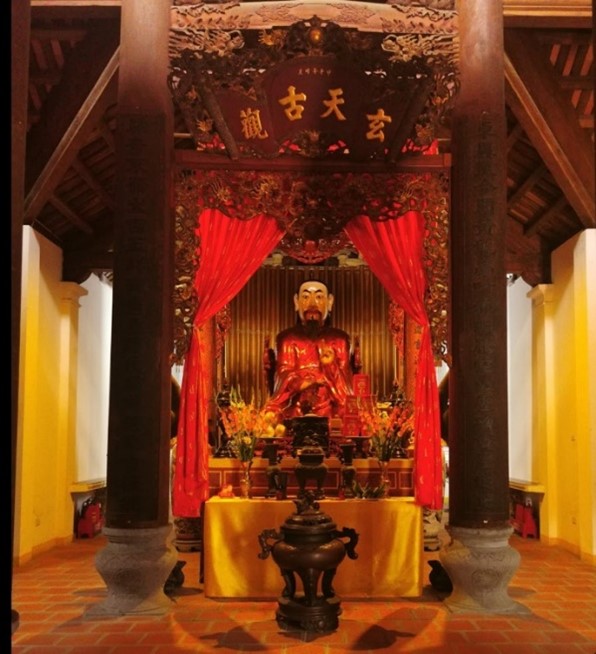
In addition, West Lake represents a distinctive cultural and spiritual space. Encircling the lake is a system of temples, pagodas, shrines, and communal houses imbued with strong spiritual significance in Vietnamese culture. Most notably, Tran Quoc Pagoda is considered the oldest pagoda in Hanoi, with a history spanning more than 1,500 years. Located on a small peninsula on the eastern side of West Lake, the pagoda stands out with its lotus-shaped Bao Thap tower and serves as both a sacred destination and a popular attraction for domestic and international visitors.
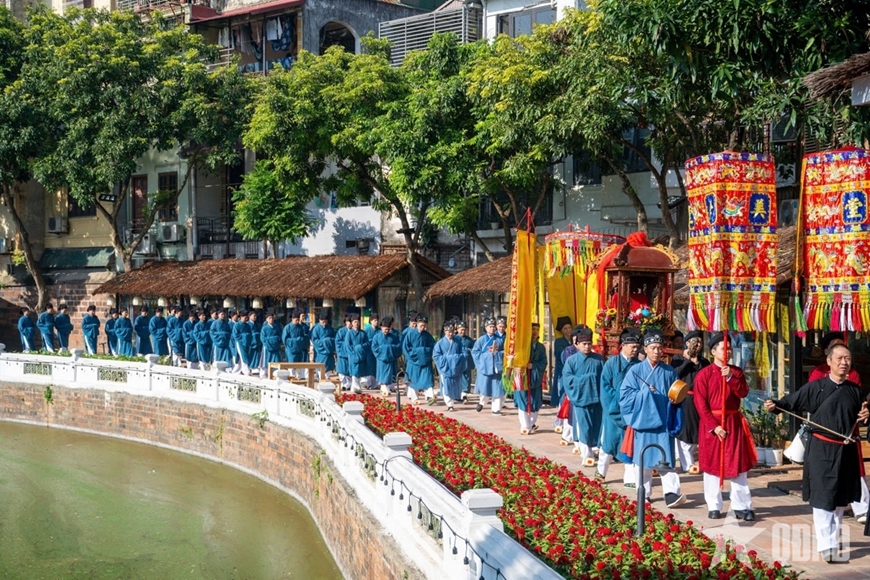
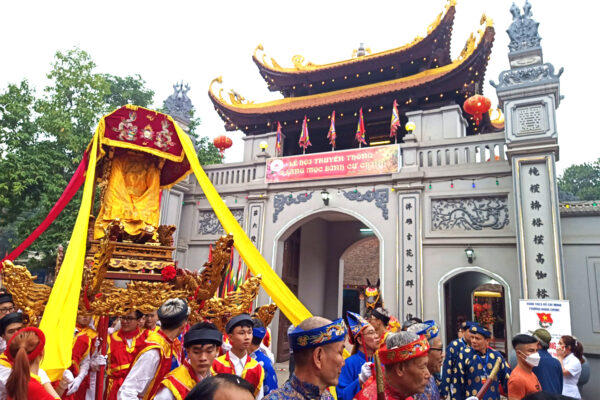
Phu Tay Ho, dedicated to the worship of the Holy Mother Lieu Hanh, is a major spiritual center of Vietnamese Mother Goddess worship. On festival days, full-moon days, and the first day of each lunar month, thousands of worshippers visit the shrine to offer incense and pray for peace and prosperity. Other sites such as Quan Thanh Temple, Kim Lien Pagoda, and Van Nien Pagoda together form a rich cultural and spiritual complex, further enhancing the intangible value of West Lake.
Today, West Lake is one of the most attractive destinations in Hanoi for both local residents and tourists. At different times of the day, the lake presents different moods and appearances. In the morning, the water surface is calm and the air fresh, making it ideal for activities such as walking, jogging, and cycling. In the afternoon, gentle sunlight casts a golden hue over the lake, creating a peaceful and romantic atmosphere.

In particular, sunset at West Lake is regarded as one of the most beautiful moments in Hanoi. As the sun gradually sets behind distant buildings, the sky shifts through shades of orange, pink, and purple, reflecting on the shimmering water and forming a mesmerizing natural scene. Many people choose West Lake as a place to relax, reflect, or simply regain balance amid the fast-paced rhythm of urban life.
Any mention of West Lake would be incomplete without reference to its distinctive culinary culture. The lakeside area is famous for a variety of dishes that have become culinary icons of Hanoi, such as West Lake shrimp fritters, snail noodle soup, Ngu Xa rolled pho, boiled snails, and fried fermented pork rolls. Whether modest or modern, lakeside eateries offer diners a relaxed and intimate experience, allowing them to enjoy local delicacies while admiring the poetic scenery of the lake.
Moreover, West Lake is home to numerous restaurants, cafes, and lounges with diverse styles ranging from traditional to contemporary, and from Asian to European. Sitting in a lakeside cafe, sipping a cup of coffee while gazing at the expansive water surface and the passing flow of people is a unique experience that West Lake offers.
Beyond being a cultural and tourism space, West Lake today is also a dynamically developing area of Hanoi. Numerous urban projects, high-end residential complexes, hotels, and service centers have emerged and continue to take shape around the lake, contributing to a modern and civilized transformation of the area while preserving its inherent characteristics.
Residents living around West Lake tend to embrace a slower pace of life and a close connection with nature. Afternoon strolls and early morning exercise by the lake have become familiar images, shaping a lifestyle that reflects the elegant, gentle, and refined spirit of Hanoi.
West Lake is not only a scenic site, but also a symbol of the intersection between past and present, nature and humanity, tradition and modernity. Through countless changes over time, West Lake has quietly endured, witnessing the transformation of Thang Long – Hanoi, preserving cultural and historical values, and evoking deep emotional resonance in the hearts of people.
For Hanoians, West Lake is a place of memory, affection, and peaceful retreat amid the complexities of life. For visitors, it is an ideal stop to experience a different side of Hanoi, one that is not noisy or hurried, but calm, contemplative, and rich in poetic charm.
-------------------------------------------------------
REFERENCES
1. Tran Thanh Binh, PhD, Architect (12/11/2024). West Lake – A natural and cultural heritage in the hearts of Hanoians. https://vienkientrucquocgia.gov.vn/ho-tay-di-san-van-hoa-thien-nhien-trong-long-nguoi-ha-noi/
2. Nguyen Ngoc Tien (14/11/2020). History of West Lake. https://nhipsonghanoi.hanoimoi.vn/lich-su-ho-tay-624550.html
3. Bao Han – Thao Phuong (23/04/2023). The names of West Lake (Hanoi) through historical periods. https://thiennhienmoitruong.vn/ten-goi-ho-tay-ha-noi-qua-cac-giai-doan-lich-su.html
4. Vu Thi Hai Van – University of Social Sciences and Humanities, Vietnam National University Hanoi (2027). Folk narratives around West Lake. Journal of Science and Technology of Vietnam, 59(12). https://b.vjst.vn/index.php/ban_b/article/view/214
5. Nguyen Thi Thuy – Hong Duc University, Thanh Hoa, Vietnam (2008). Cultural space of Tay Do and its transformations after becoming the western capital. Journal of Science, Vietnam National University Hanoi, Social Sciences and Humanities, 24 (2008), 203–210.